

Hey there, folks! As a supplier of Medical Vacuum Freeze Dryer, I've had my fair share of experiences with these machines. They're pretty nifty devices, used in all sorts of medical applications, from preserving vaccines to drying out biological samples. But like any piece of equipment, there are potential risks involved when operating a medical vacuum freeze dryer. Let's dive in and take a closer look.
1. Electrical Hazards
First off, we've got electrical hazards. These machines are powered by electricity, and if not handled properly, it can lead to some serious problems. Faulty wiring, short circuits, or improper grounding can all pose a risk of electric shock. And let's face it, getting zapped by an electrical current is no joke. It can cause anything from minor burns to more severe injuries, like cardiac arrest in extreme cases.
To minimize this risk, it's crucial to have the dryer installed by a qualified electrician. They'll make sure the wiring is up to code and that the machine is properly grounded. Regular maintenance checks are also a must. Inspect the electrical cords for any signs of damage, such as fraying or exposed wires. If you notice any issues, don't try to fix it yourself. Call in a professional right away.
2. Vacuum System Risks
The vacuum system is a key component of a medical vacuum freeze dryer. It's responsible for creating the low-pressure environment needed for the freeze-drying process. However, there are a few risks associated with this system.
One of the main concerns is vacuum leaks. If there's a leak in the system, it can affect the drying process and lead to inconsistent results. It can also cause the machine to work harder than it should, which can increase energy consumption and potentially damage the equipment. To detect vacuum leaks, you can use a vacuum leak detector. Regularly check the seals and gaskets for any signs of wear or damage, and replace them as needed.
Another risk is over-pressurization. If the vacuum system malfunctions and the pressure inside the chamber gets too high, it can cause the chamber to rupture. This is a serious safety hazard, as it can release harmful substances into the environment. To prevent over-pressurization, the dryer should be equipped with a pressure relief valve. This valve will automatically open if the pressure exceeds a certain level, allowing the excess pressure to escape.
3. Temperature and Humidity Control
Maintaining the right temperature and humidity levels is crucial for the success of the freeze-drying process. If the temperature is too high, it can cause the product to melt or degrade. On the other hand, if the temperature is too low, the drying process can take longer, and the product may not dry evenly.
Similarly, humidity levels need to be carefully controlled. High humidity can lead to condensation inside the chamber, which can contaminate the product. To ensure proper temperature and humidity control, the dryer should be equipped with sensors and a control system. These sensors will monitor the temperature and humidity levels inside the chamber and adjust the settings as needed.
4. Chemical and Biological Hazards
Medical vacuum freeze dryers are often used to process biological samples and pharmaceuticals. These materials can be hazardous if not handled properly. For example, some biological samples may contain infectious agents, such as viruses or bacteria. If these agents are released into the environment, they can pose a risk to human health.
To minimize the risk of chemical and biological hazards, it's important to follow proper safety protocols. Wear appropriate personal protective equipment (PPE), such as gloves, goggles, and lab coats. Make sure the dryer is properly cleaned and disinfected after each use. And always dispose of hazardous materials in accordance with local regulations.
5. Operator Error
Last but not least, operator error can also pose a risk when operating a medical vacuum freeze dryer. If the operator doesn't follow the manufacturer's instructions or doesn't have the proper training, it can lead to accidents and damage to the equipment.
To prevent operator error, it's important to provide comprehensive training to all operators. Make sure they understand how to operate the machine safely and how to troubleshoot common problems. Encourage them to ask questions and seek help if they're unsure about anything.
In conclusion, while medical vacuum freeze dryers are incredibly useful machines, there are potential risks involved when operating them. By being aware of these risks and taking the necessary precautions, you can minimize the chances of accidents and ensure the safe and efficient operation of the equipment.
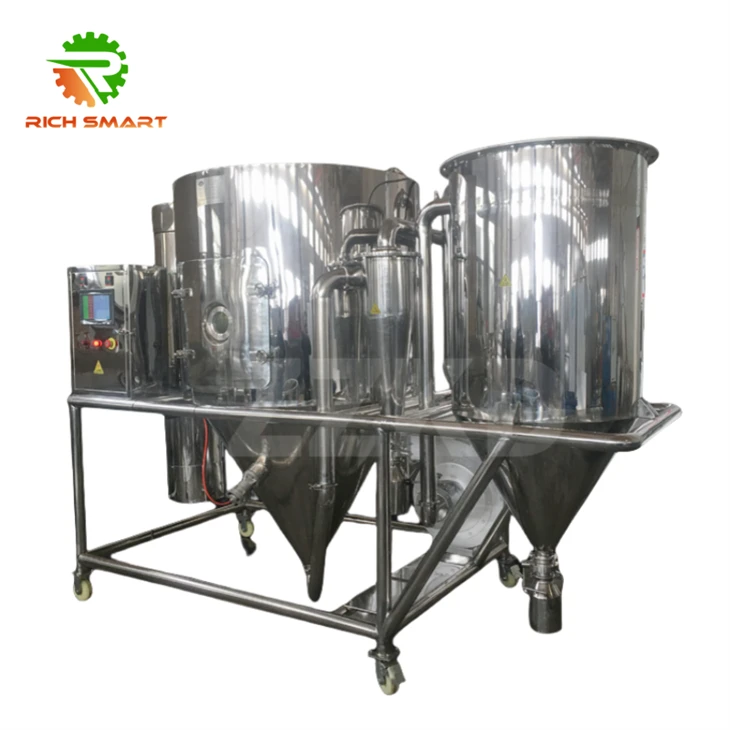

If you're in the market for a medical vacuum freeze dryer, or if you have any questions about the potential risks associated with these machines, feel free to reach out. We're here to help you make an informed decision and find the right solution for your needs. And don't forget to check out our other drying equipment, like the Lab Spray Dryer and the Automatic High-speed Centrifugal Spray Dryer.
References
- "Medical Vacuum Freeze Dryer Safety Guidelines" - Manufacturer's Manual
- "Electrical Safety in the Workplace" - Occupational Safety and Health Administration (OSHA)
- "Biological Hazard Management" - Centers for Disease Control and Prevention (CDC)