

In the field of medical manufacturing, vacuum freeze drying is a crucial process that preserves the integrity and efficacy of various medical products, including pharmaceuticals, biologics, and vaccines. As a supplier of Medical Vacuum Freeze Dryers, we have witnessed firsthand the impact of pressure changes on this intricate process. Understanding these effects is essential for optimizing the freeze-drying process, ensuring product quality, and enhancing production efficiency.
The Basics of Medical Vacuum Freeze Drying
Medical vacuum freeze drying, also known as lyophilization, is a dehydration process that involves freezing the product and then reducing the pressure to allow the ice to sublime directly from the solid to the gaseous state. This method is preferred in the medical industry because it can preserve the biological and chemical properties of the product, maintain its stability, and extend its shelf life.
The freeze-drying process typically consists of three main stages: freezing, primary drying (sublimation), and secondary drying (desorption). Each stage is influenced by factors such as temperature, pressure, and time, with pressure being a particularly critical variable.
Effects of Pressure Change on the Freezing Stage
During the freezing stage, the product is cooled to a temperature below its eutectic point (the lowest temperature at which the mixture of substances in the product will melt). The pressure in the system can affect the freezing rate and the formation of ice crystals.
Low pressure can cause the heat transfer to be less efficient due to reduced gas conduction. This may lead to a slower freezing rate, which can result in the formation of larger ice crystals. Large ice crystals can damage the structure of the product, especially in the case of biological materials, by disrupting cell membranes and denaturing proteins. On the other hand, if the pressure is too high, it can increase the boiling point of the solvent in the product, which may prevent proper freezing or cause the product to overheat.
Impact of Pressure on the Primary Drying Stage
The primary drying stage is where sublimation occurs. Sublimation is the process of converting ice directly into vapor without passing through the liquid phase. Pressure plays a vital role in this stage as it affects the sublimation rate and the overall energy consumption of the process.
Lower pressures generally promote faster sublimation because the reduced pressure lowers the vapor pressure of the ice, making it easier for the ice to transition into the gaseous state. However, reducing the pressure too much can lead to some drawbacks. For example, it can increase the risk of product collapse if the pressure is significantly lower than the critical pressure required to maintain the product's structure. Additionally, extremely low pressures can increase the cost of the process due to the high energy requirements for maintaining the vacuum and the potential need for more advanced vacuum pumps.
Higher pressures, within a certain range, can provide better heat transfer during sublimation. Since heat is required to drive the sublimation process, improved heat transfer can enhance the drying rate. However, if the pressure is too high, the sublimation rate will decrease as the vapor pressure of the ice becomes closer to the surrounding pressure, and the driving force for sublimation is reduced.
Role of Pressure in the Secondary Drying Stage
The secondary drying stage aims to remove the remaining bound water from the product. In this stage, the product is heated to a moderate temperature while maintaining a low pressure. The pressure affects the rate at which the bound water is desorbed from the product.
Lower pressures facilitate the desorption of bound water by reducing the partial pressure of water vapor in the system. This creates a pressure gradient that drives the water molecules from the product into the surrounding environment. However, very low pressures can also cause the product to become too dry, which may lead to a loss of reconstitution properties in some medical products. Higher pressures may slow down the desorption process but can help maintain the product's structure and prevent over-drying.
Practical Considerations for Optimizing Pressure in the Freeze-Drying Process
As a supplier of Medical Vacuum Freeze Dryers, we provide our customers with equipment that allows for precise control of pressure throughout the freeze-drying process. We understand that different products have different pressure requirements, and we work closely with our customers to develop customized drying protocols.
For example, when dealing with heat-sensitive biological products, we recommend using lower pressures during the primary drying stage to minimize the risk of thermal damage. On the other hand, for products that are more stable and require a faster drying rate, slightly higher pressures within the optimal range can be used to improve heat transfer.
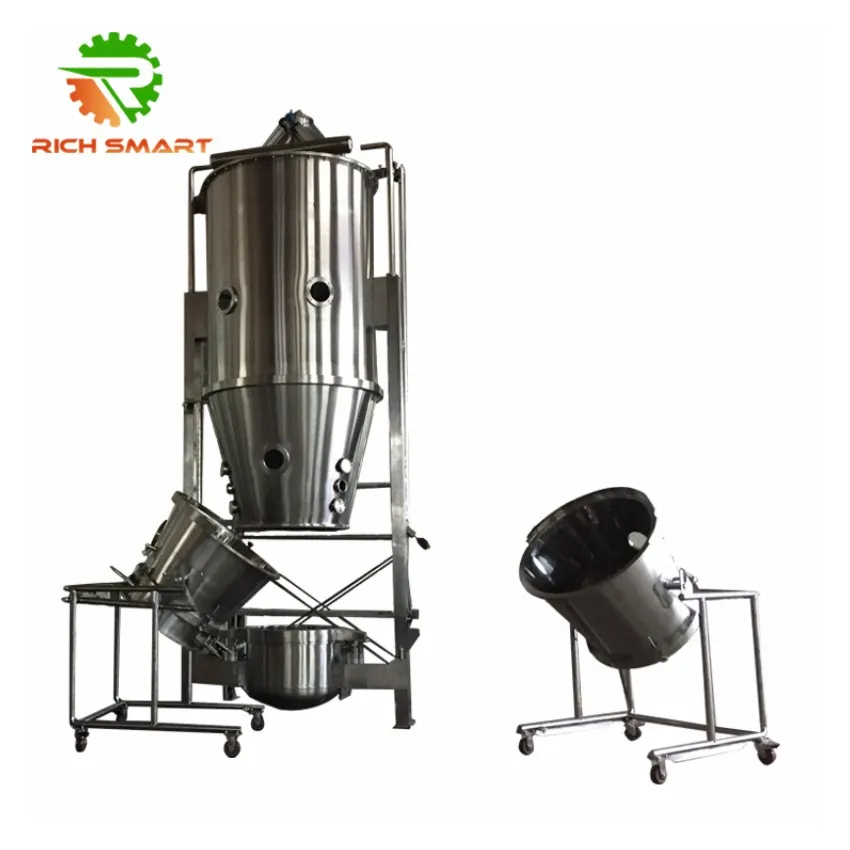
We also offer a range of other drying equipment that can complement the freeze-drying process. For instance, our Double Cone Vacuum Dryer is suitable for drying powdery and granular materials under vacuum conditions. It can provide uniform drying and gentle agitation, which is beneficial for certain medical products. Our Lab Scale Freeze Dryer is ideal for research and development purposes, allowing scientists to test different pressure and temperature conditions on a small scale before scaling up to industrial production. Additionally, our Boilling Fluid Bed Dryer can be used for drying and granulating medical powders, offering high efficiency and excellent product quality.
Conclusion
In conclusion, pressure change has a significant impact on the freeze-drying process in a medical vacuum freeze dryer. It affects every stage of the process, from freezing to secondary drying, and can influence the quality, stability, and production efficiency of medical products. By understanding these effects and carefully controlling the pressure, manufacturers can optimize the freeze-drying process and produce high-quality medical products.

As a trusted supplier of Medical Vacuum Freeze Dryers and related drying equipment, we are committed to providing our customers with the latest technology and expertise to help them achieve the best results in their freeze-drying operations. If you are interested in learning more about our products or discussing your specific drying needs, please feel free to contact us for a consultation. We look forward to working with you to improve your medical product manufacturing processes.
References
- Wang, L. (2000). Lyophilization and development of solid protein pharmaceuticals. International Journal of Pharmaceutics, 203(1 - 2), 1 - 60.
- Pikal, M. J., & Shah, S. (1990). The collapse temperature of frozen systems: A fundamental and practical consideration in freeze - drying. Journal of Parenteral Science & Technology, 44(5), 243 - 252.
- Tang, X., & Pikal, M. J. (2004). Design of freeze - drying processes for pharmaceuticals: Practical advice. Pharmaceutical Research, 21(2), 191 - 200.